The Science of Electrical Contact: Plating and Insulation Technologies in Modern Power Systems

Understanding Electrical Contact Resistance and Surface Science
When two metallic conductors meet, electricity does not flow across the entire apparent surface area. Microscopic surface roughness means physical contact only occurs at discrete asperities, known as contact spots. This constriction increases electrical resistance at the interface, generating localized heat under high current loads.
Pure copper naturally forms oxide layers when exposed to ambient air. These microscopic oxide films act as electrical insulators, compounding contact resistance and accelerating thermal degradation. Managing this interface requires more than just mechanical tightening; it demands precise metallurgical intervention to maintain low contact resistance over years of operation.
- Current flows only through microscopic contact spots rather than total surface areas.
- Unprotected copper oxidizes, increasing resistance and localized heat.
- Proper engineering stabilizes joint performance in heavy-duty power distribution.
The Role of Plating Technologies in Copper Busbars
While unplated copper offers exceptional baseline conductivity, its vulnerability to environmental corrosion and oxidation makes surface plating essential for industrial power systems. Plating acts as a barrier layer, protecting the underlying substrate while optimizing the contact interface.
| Plating Type | Primary Advantage | Best Use Case |
|---|---|---|
| Tin Plating | Cost-effective corrosion resistance and ductility | General switchgear and low-to-medium power distribution |
| Silver Plating | Lowest contact resistance and superior high-frequency performance | High-current density joints and substation connections |
| Nickel Plating | Exceptional hardness, wear resistance, and high-temp stability | Harsh chemical environments and mechanical sliding contacts |
For more details on comprehensive manufacturing and treatment options, see 구리 버스바 표면처리 | Costal 원스톱 제조 솔루션 to understand how custom finishes enhance reliability.
Advanced Insulation Technologies for Modern Power Systems
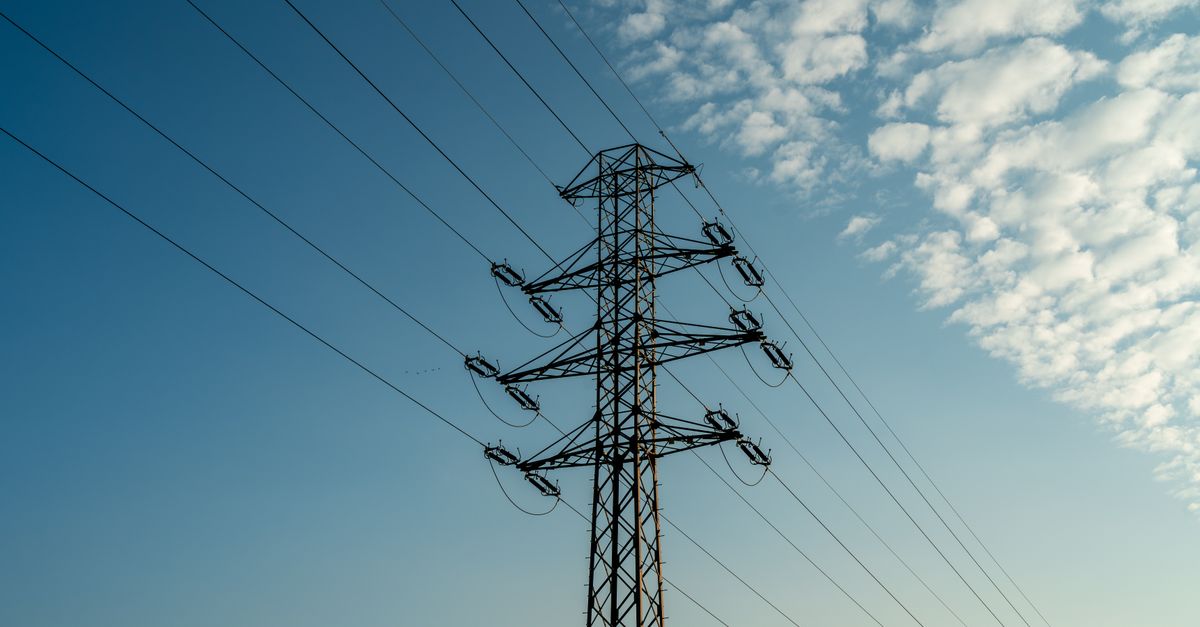
As power densities scale upward, managing electrical clearance and creepage distance becomes as critical as handling current load. Modern power distribution equipment relies on sophisticated insulation methods to prevent arc flash and short circuits while maintaining compact footprints.
- Heat-shrinkable tubing designed for high dielectric breakdown strength.
- Epoxy powder coating for uniform edge coverage on complex geometries.
- Multi-layer laminated busbar structures combining copper layers with thin dielectric films.
Choosing the right insulation depends on the operating voltage class, ambient thermal limits, and mechanical vibration levels inside the cabinet. Integrating these insulation strategies ensures safe, high-density packaging in restricted spaces.
Optimizing Thermal Performance and Joint Engineering
Electrical resistance directly generates Joule heating ($I^2R$), meaning poor contact design rapidly compromises both the conductor and its surrounding insulation. High-power electronic modules demand rigorous thermal consideration to prevent structural warping and insulation breakdown over time.
Engineers must evaluate thermal expansion coefficients across mixed-metal joints to prevent loosening during thermal cycling. To explore how advanced designs handle extreme thermal loads in compact electronic layouts, check out Thermal Management and Conductivity: Engineering Busbars for High-Power IGBT Modules.
Manufacturing Precision for Reliable Power Distribution
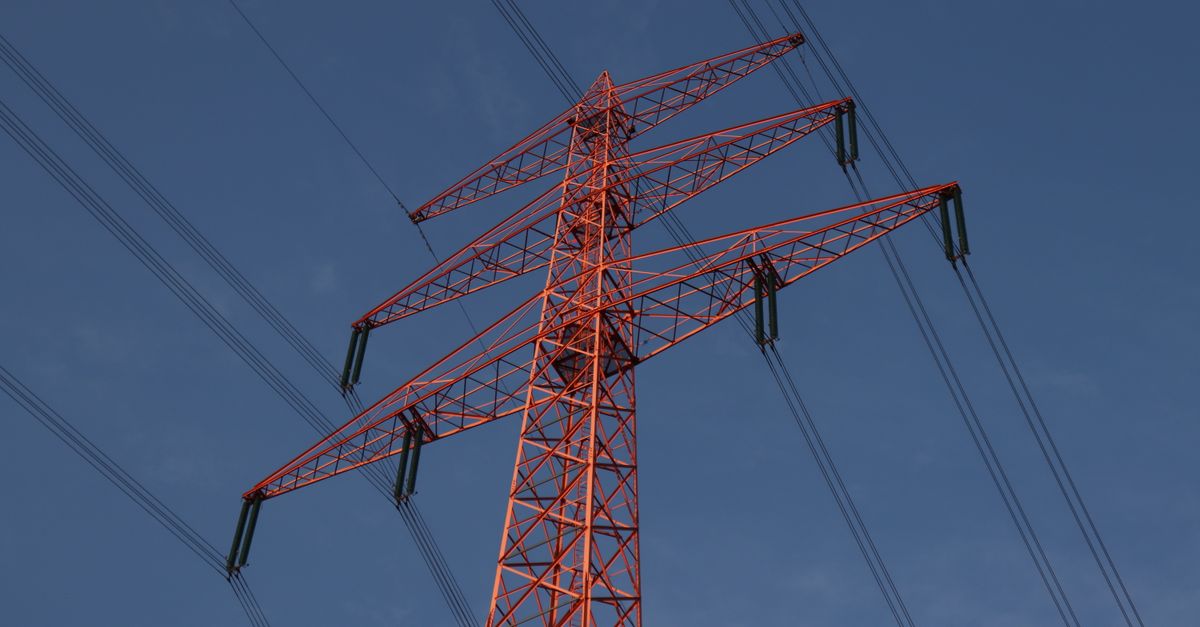
The long-term reliability of a power system starts long before installation—it begins at the prototyping and fabrication stage. Achieving tight dimensional tolerances and flawless surface preparation ensures that plated layers adhere uniformly without micro-cracks or pinholes.
Streamlining the transition from initial blueprint to final mass production helps eliminate hidden defects at the contact interface. You can learn more about refining precision geometries and reducing manufacturing bottlenecks by reading 블루프린트-프로토타입 구리 버스바 제조 최적화.
Actionable Checklist for Busbar System Design
- Define the continuous current rating and peak short-circuit withstand requirements.
- Select an appropriate plating finish based on environmental exposure and contact frequency.
- Verify that insulation materials match the thermal class of the active switchgear or inverter.
- Establish rigorous torque and surface preparation standards for every bolted joint.
Why is silver plating preferred for high-current joints?
Silver exhibits the lowest electrical contact resistance of standard engineering metals and maintains low resistance even when minor tarnishing occurs, making it ideal for high-amperage applications.
When should tin plating be chosen over silver?
Tin plating is generally selected for cost-sensitive, general-purpose commercial power distribution where extreme high-temperature endurance or high-frequency skin effect optimization is not required.
How does surface oxidation affect busbar performance?
Oxide layers increase electrical contact resistance, leading to concentrated Joule heating, higher energy losses, and eventual thermal runaway at bolted connection points.
What role does insulation play in high-density power systems?
Insulation prevents phase-to-phase and phase-to-ground faults, allowing engineers to space conductors closer together safely in modern compact switchboards and inverters.