-
Transitioning from a blueprint to a functional prototype requires careful alignment between electrical design and manufacturing capabilities.
-
Streamlining the process reduces lead times, prevents costly redesigns, and ensures tight tolerances for custom copper busbars.
-
Partnering with an experienced manufacturer offers a seamless path from raw drawings to finished, high-performance parts.
블루프린트-프로토타입 구리 버스바 제조에서 복잡한 전기 설계를 실제 프로토타입으로 구현하는 과정은 전력 시스템 개발에서 가장 중요한 단계 중 하나입니다. When dealing with custom components like copper busbars, even a small oversight in the initial blueprint can lead to expensive delays during production.
Streamlining this journey ensures that your designs transform into reliable, high-performance parts without unexpected roadblocks.
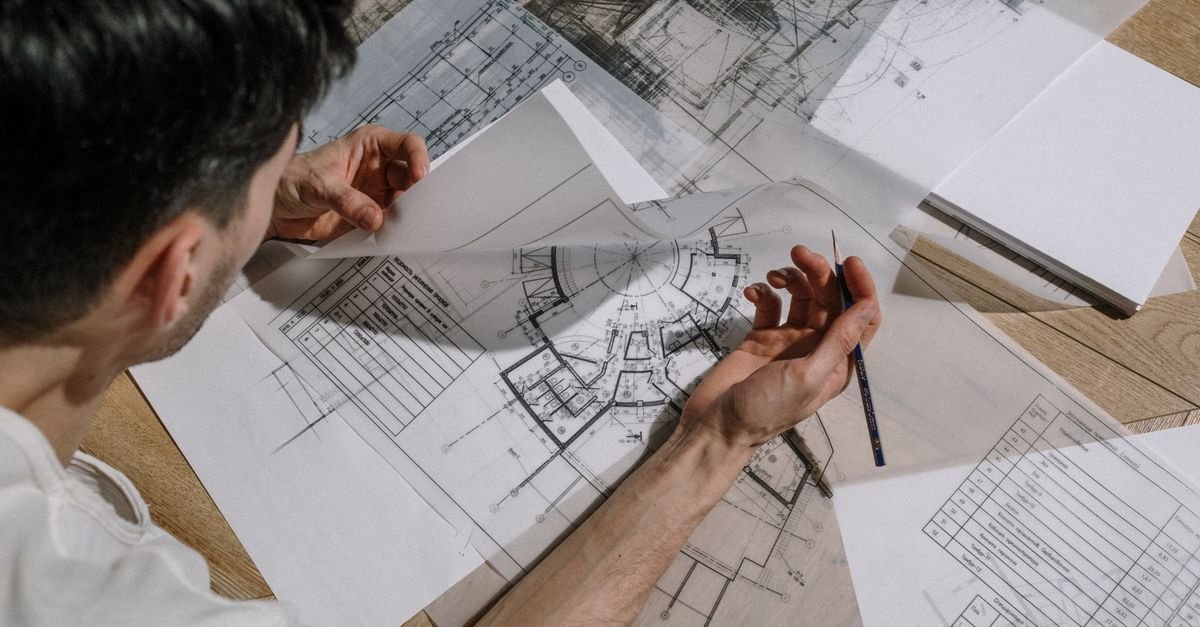
Every successful custom component starts with a precise blueprint or CAD model. At this stage, clarity is everything. Engineers must define exact dimensions, bending radii, hole placements, and material specifications.
However, a design that looks flawless on a computer screen may present fabrication challenges in the real world. Involving manufacturing experts early helps identify potential bottlenecks—such as overly tight bend allowances or non-standard hole sizes—before cutting any metal.
For broader insights into how advanced design choices impact performance, explore Precision Engineered: How Advanced Busbar Solutions Drive High-Efficiency Power Systems.
Bridging the Gap to Rapid Prototyping (블루프린트-프로토타입 구리 버스바 제조)
Once the blueprint is finalized, the focus shifts to creating a physical prototype. This phase allows engineering teams to test fit, form, and electrical conductivity in an actual assembly environment.
Traditional prototyping methods can take weeks, but modern fabrication workflows utilize advanced CNC punching, laser cutting, and automated bending to drastically shorten lead times. A fast turnaround means your team can evaluate multiple design iterations and finalize the product much faster.
Always request a physical prototype for complex three-dimensional busbar bends to verify clearance and interference issues within tight electrical enclosures.
Material Selection and Surface Treatment
Copper is the industry standard for busbars due to its exceptional electrical and thermal conductivity. However, choosing the right grade of copper—such as ETP or oxygen-free copper—depends entirely on your application’s operational demands.
Furthermore, planning for surface treatments like tin or silver plating should happen during the prototyping phase rather than as an afterthought. Proper plating prevents oxidation, reduces contact resistance, and extends the lifespan of the component in harsh environments.
To see how integrated workflows handle these precise stages from initial drawing to final finish, take a look at Inside Costal’s One-Stop Solution: From Busbar Drawing to Custom Surface Treatment.
Rigorous Testing and Quality Assurance

A prototype is only as good as the data it produces. Before moving to full-scale production, the prototype must undergo stringent evaluation. Key verification steps include:
-
Dimensional accuracy checks against original CAD tolerances
-
Electrical resistance and voltage drop measurements
-
Thermal imaging under simulated load conditions
-
Inspection of surface finishes and coating thickness
Catching micro-defects or dimensional drift at the prototype stage safeguards the entire manufacturing run against catastrophic field failures.
Scaling Up from Prototype to Mass Production
The ultimate goal of a streamlined prototyping phase is a friction-free transition to volume manufacturing. When your prototype tooling, digital programming, and quality standards are already dialed in, scaling up requires minimal adjustments.
Working with a specialized manufacturing partner ensures consistency across every batch, minimizing scrap rates and keeping your project schedule on track.
Conclusion
Moving from a blueprint to a functional prototype does not have to be a trial-and-error ordeal. By refining your designs early, choosing appropriate materials, and leveraging streamlined manufacturing workflows, you can accelerate your path to market with confidence.
Frequently Asked Questions
Why is early manufacturer involvement important during the blueprint phase?
Engaging manufacturers early helps catch design flaws, tight bend tolerances, or non-standard specifications that could delay production or increase costs.
What materials are commonly used for custom busbar prototyping?
High-purity copper (such as ETP or oxygen-free copper) is the primary choice due to its superior electrical and thermal conductivity.
How do surface treatments affect custom busbar prototypes?
Surface treatments like tin or silver plating prevent oxidation, reduce contact resistance, and ensure long-term durability in operational environments.
What is the main benefit of rapid prototyping for electrical components?
It allows engineers to test physical fit, clearance, and performance quickly, enabling multiple design iterations before committing to mass production.