Modern electrical installations demand exceptional performance, minimal energy loss, and absolute reliability. As power loads grow denser, conventional wiring methods often fall short of modern thermal and electrical standards. 구리 버스바 전력 시스템 advanced copper busbar solutions provide the high-conductivity backbone required for next-generation power distribution. By combining precision engineering with strict quality control, these systems transform how electrical energy flows through industrial and commercial setups. (관련 설계 기준은 IEC 공식 사이트에서도 확인할 수 있습니다.)
구리 버스바 전력 시스템 The Core Advantages of Copper in Power Distribution
Copper remains the gold standard for electrical conductivity. Compared to alternative metals, it offers superior current-carrying capacity within a compact footprint. When shaped into precision-engineered busbars, copper maximizes cross-sectional efficiency. This allows electrical systems to handle heavier loads without generating excessive heat.
-
Exceptional electrical and thermal conductivity
-
Space-saving, compact installation footprints
-
Reduced energy loss during power transmission
-
High mechanical strength against short-circuit forces
Optimizing a power network relies heavily on how well components manage electrical resistance. Minimizing resistance protects sensitive equipment and keeps operational costs down over time.
Overcoming Thermal and Electrical Challenges
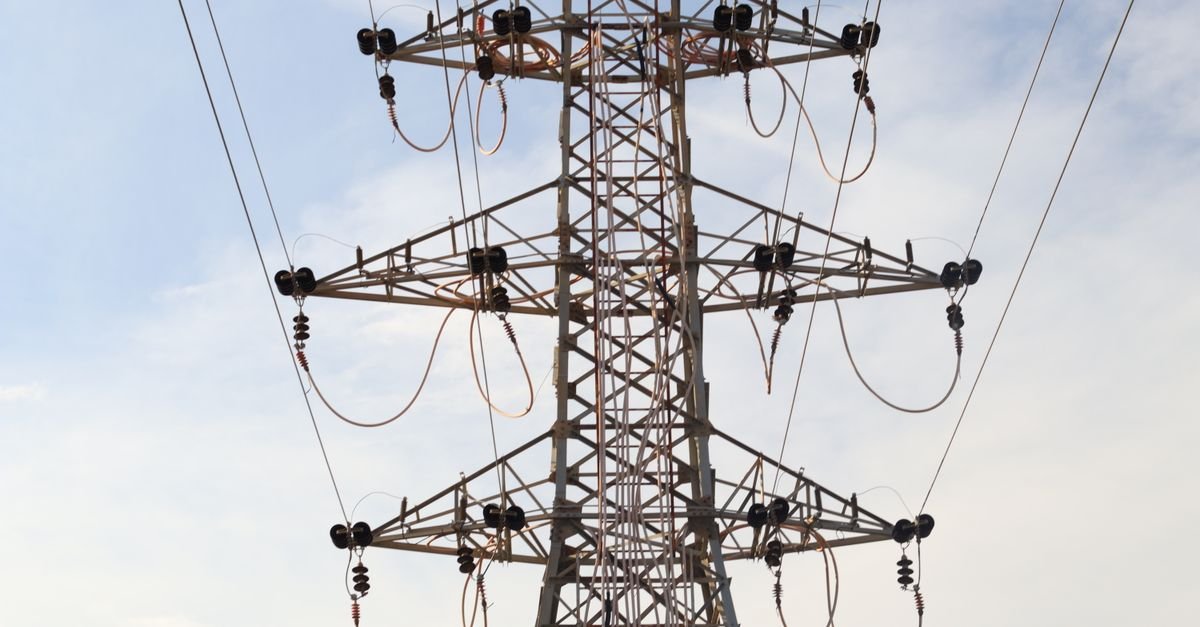
High-efficiency power systems generate significant heat, which can degrade insulation and threaten system stability. Advanced busbars use strategic geometry and optimized sizing to dissipate heat quickly. Furthermore, dynamic forces during peak operations or fault conditions can stress electrical hardware. Rigidly engineered busbars withstand these mechanical stresses without warping or loosening connection points. Ignoring thermal expansion in rigid busbar layouts can lead to joint failure. Proper engineering accounts for mechanical movement under high-temperature fluctuations.
Precision Manufacturing and Custom Surface Treatments
Achieving peak performance requires rigorous manufacturing precision. From initial drawing to final finishing, every production step dictates how well the busbar performs in the field. Custom surface treatments play a critical role in preventing oxidation and maintaining low contact resistance over years of service. Electroplating with tin, silver, or nickel protects the copper core from environmental wear while ensuring stable electrical contact.
Managing the entire production lifecycle—from raw material drawing to precise surface finishing—eliminates quality gaps. To see how an integrated workflow functions in practice, explore Inside Costal’s One-Stop Solution: From Busbar Drawing to Custom Surface Treatment for a detailed look at end-to-end manufacturing.
-
Dimensional accuracy matching exact project blueprints
-
Uniform coating thickness for corrosion resistance
-
Rigorous electrical conductivity testing
-
Clean burr-free edges to prevent insulation damage
Future-Proofing Electrical Infrastructure
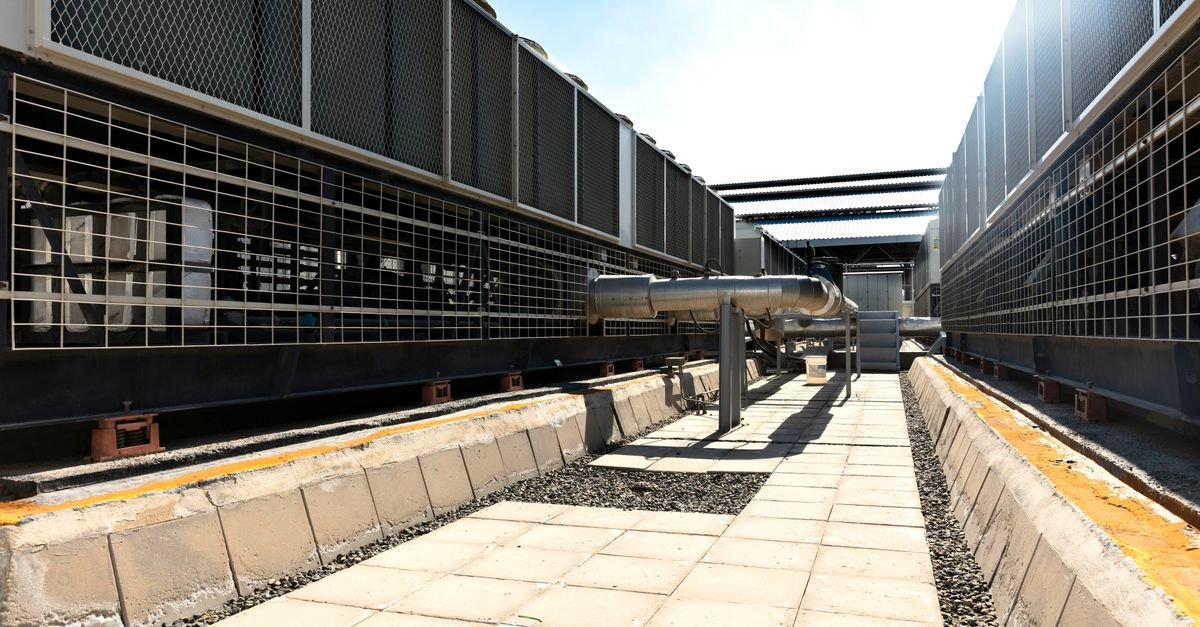
Investing in high-end busbar technology is a long-term strategy for operational safety and energy efficiency. As industries transition toward electrification and higher power densities, standard components are frequently replaced by customized, high-performance alternatives. Evaluating your system’s current layout helps identify bottlenecks where upgraded busbar solutions can reduce heat buildup and enhance overall throughput.
Frequently Asked Questions
Why is copper preferred over aluminum for advanced busbars?
Copper offers higher electrical and thermal conductivity, allowing for smaller physical sizes while carrying equivalent electrical loads with less energy loss.
What is the purpose of surface plating on copper busbars?
Surface plating, such as tin or silver, prevents oxidation, reduces contact resistance, and extends the operational lifespan of electrical connection points.
How do custom busbars improve power system efficiency?
Custom engineering ensures that the busbar geometry matches spatial constraints and electrical demands precisely, minimizing resistance, voltage drop, and thermal buildup.