The Evolution of Modern Power Distribution
고정밀 버스바 제작은 최신 전기 스위치보드가 직면한 한계를 새롭게 정의합니다. Modern electrical switchboards face unprecedented demands. As commercial and industrial facilities scale up, traditional wiring methods struggle to handle high electrical loads efficiently. This is where advanced power distribution systems step in to redefine reliability and performance.
At the core of these high-capacity panels lies the copper busbar. Unlike standard cables, custom-fabricated busbars offer a structured, low-resistance pathway for heavy currents. Transitioning from bulky wiring harnesses to engineered busbars significantly reduces thermal buildup and spatial footprint within the enclosure.
Choosing the right fabrication partner ensures that electrical systems meet strict industry tolerances. To see how initial concepts translate into physical components, you can explore From Blueprint to Prototype: Streamlining Custom Component Manufacturing for insights into precision manufacturing pipelines.
Why 고정밀 버스바 제작 Matters
Precision is not just a manufacturing buzzword; it is a critical engineering requirement. Even minor dimensional deviations in a copper busbar can lead to poor contact surfaces, increased electrical resistance, and localized hotspots.
-
Performance Benefits
-
Minimized voltage drop across high-current distribution lines
-
Optimized physical alignment with circuit breakers and switchgear
-
Enhanced structural integrity to withstand electromagnetic forces during a short circuit
When components fit seamlessly, assembly time drops, and overall system safety increases. Engineers looking to maximize system throughput often review Precision Engineered: How Advanced Busbar Solutions Drive High-Efficiency Power Systems to understand the broader impact of optimized conductivity.
Overcoming Thermal and Spatial Challenges
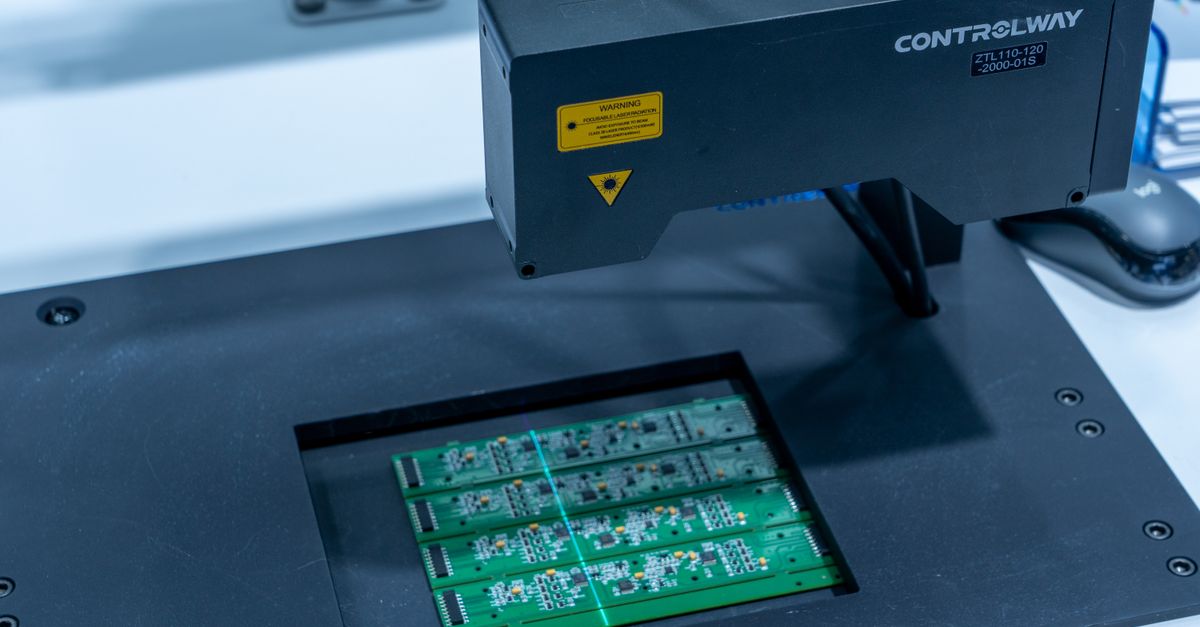
Thermal management remains one of the toughest hurdles in switchboard design. Cramming more power into compact enclosures generates intense heat, which can degrade insulation materials and shorten component lifespans.
High-precision bending and custom surface treatments maximize the surface-to-volume ratio, allowing for better natural heat dissipation inside tightly sealed cabinets.
Furthermore, custom fabrication allows engineers to design complex 3D shapes that route around internal obstacles. This spatial efficiency prevents overcrowding, ensuring that cooling airflow is never obstructed by clumsy cabling.
The Value of a Comprehensive Production Workflow
Achieving tight tolerances requires more than just cutting copper. It demands a fully integrated workflow that handles everything from raw material processing to final protective coatings. Working with a specialized provider ensures consistent quality control at every single stage of production.
To learn how a unified manufacturing approach eliminates communication gaps and reduces lead times, take a look at Inside Costal’s One-Stop Solution: From Busbar Drawing to Custom Surface Treatment.
Best Practices for Specifying Custom Busbars
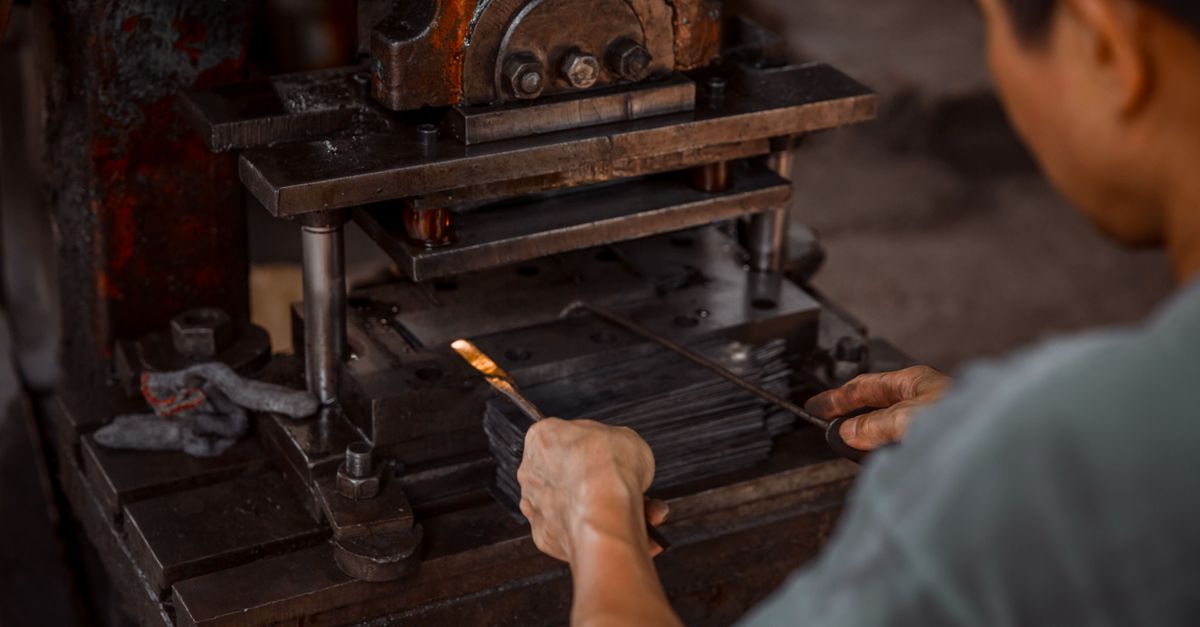
To get the best results for your next switchboard project, keep a few crucial specifications in mind during the design phase:
-
Calculate continuous ampacity requirements and account for ambient temperature spikes.
-
Specify appropriate surface plating (such as tin or silver) to prevent oxidation in humid environments.
-
Define exact mounting hole locations and bending radii to prevent mechanical stress on terminal connections.
-
Review CAD drawings carefully to ensure clearance with internal enclosure hardware.
Avoid sharp internal angles during the design phase, as they concentrate mechanical stress and can cause micro-fractures during the bending process.
Future-Proofing Electrical Infrastructure
As renewable energy integration and smart grid technologies push switchboards to operate near their maximum limits, the quality of internal distribution components cannot be left to chance. Investing in high-precision copper busbars ensures that electrical infrastructure remains safe, efficient, and scalable for years to come.
Frequently Asked Questions
Why is copper preferred over aluminum for high-precision busbars?
Copper offers superior electrical and thermal conductivity, allowing for smaller physical dimensions to carry the same electrical load safely.
How does surface treatment affect busbar performance?
Plating treatments like tin or silver prevent surface oxidation, maintain low contact resistance over time, and extend the operational lifespan of the connection points.
What factors determine the ampacity of a busbar?
Ampacity depends on the cross-sectional area, material purity, ambient temperature, enclosure ventilation, and the allowable temperature rise of the system.
Can custom busbars reduce overall switchboard assembly time?
Yes. Pre-bent and precision-drilled busbars fit directly into place without manual field modifications, significantly speeding up panel assembly.