Accelerating Product Development: Fast Prototyping for Power & Electronics Engineers

Accelerating Product Development: Fast Prototyping for Power & Electronics Engineers
In the fast-paced world of power and electronics engineering, time is a critical factor. Bringing innovative products to market quickly without compromising quality is the ultimate goal. Fast prototyping plays a pivotal role in achieving this by allowing engineers to test designs, iterate rapidly, and validate concepts before committing to mass production.
The Importance of Fast Prototyping in Engineering
Fast prototyping is more than just creating a quick model; it’s a strategic approach that significantly accelerates the product development lifecycle. It enables engineers to identify design flaws early, refine functionalities, and gain crucial insights into performance under real-world conditions. This iterative process minimizes costly rework and reduces the overall time to market, giving companies a competitive edge.
Key Benefits of Rapid Prototyping
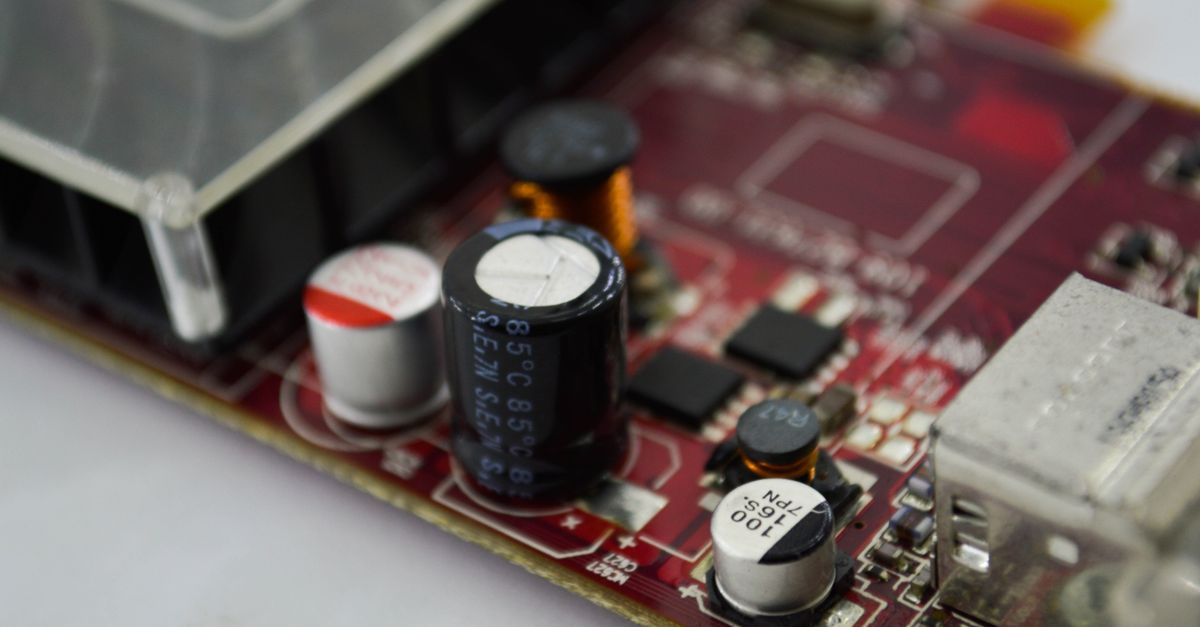
Rapid prototyping significantly shortens the development cycle by allowing for quick design iterations and immediate feedback.
Identifying and rectifying design issues at the prototype stage is far more cost-effective than making changes after production has begun.
Prototyping allows for hands-on testing and validation of features, leading to more robust and reliable final products.
By testing designs early and often, engineers can mitigate potential risks associated with performance, compatibility, and manufacturability.
Prototyping Copper Busbars for Power Systems
For power and electronics engineers, copper busbars are fundamental components. Fast prototyping of custom copper busbars is crucial for validating electrical conductivity, thermal management, and physical integration within complex systems. This allows for the optimization of power distribution and ensures the reliability of high-power applications.
Optimizing Layout and Integration
When designing power distribution systems, the placement and configuration of copper busbars are critical. Rapid prototyping helps engineers test various busbar layouts to ensure optimal current flow and minimize voltage drops. This is particularly important in switchboards and distribution panels where precise component placement is key to performance and safety. understanding the ideal placement of copper busbars in switchboards and transformers can be streamlined with prototyping.
Thermal Management and Performance Validation
Effective thermal management is paramount in power electronics to prevent component failure and ensure longevity. Prototyping allows engineers to create and test busbar designs that facilitate efficient heat dissipation. This is essential for high-power applications like IGBT modules, where thermal performance directly impacts device reliability and efficiency. designing for thermal management in IGBT modules benefits greatly from rapid prototyping.
The Role of Advanced Manufacturing in Prototyping
Technologies like Computer-Aided Design (CAD) and advanced manufacturing techniques are integral to fast prototyping. These tools enable the creation of precise 3D models and the fabrication of complex busbar geometries quickly and accurately. Leveraging these capabilities ensures that prototypes closely resemble the final product, providing realistic test results.
Steps to Effective Fast Prototyping
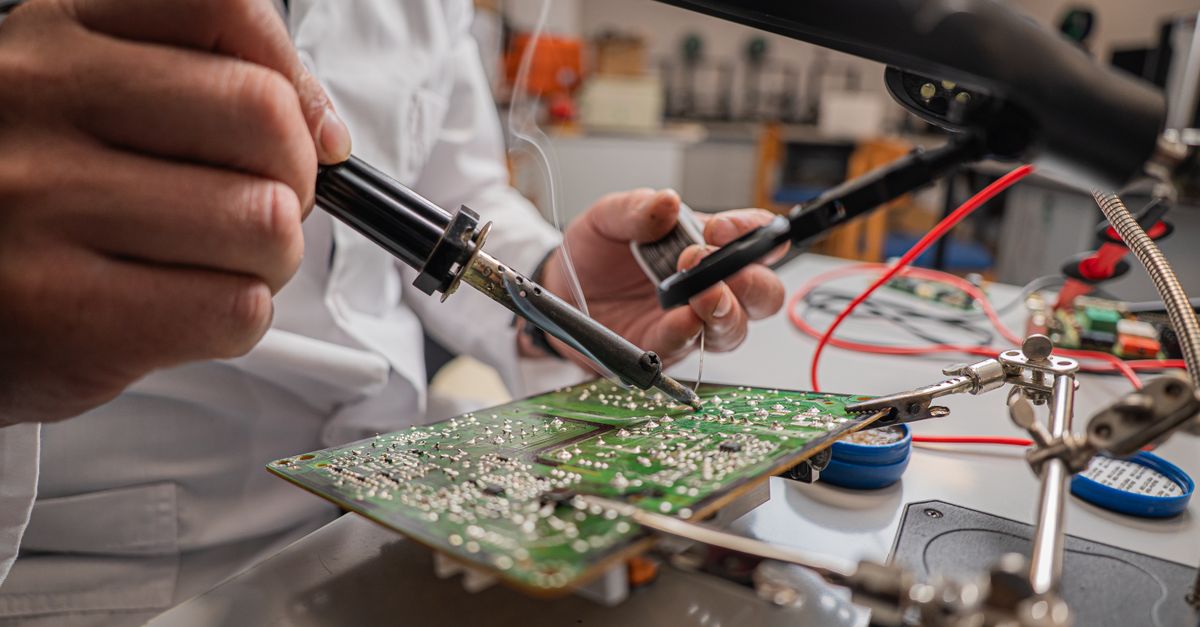
- Define Clear Objectives: Understand what specific aspects of the design need to be tested and validated with the prototype.
- Select Appropriate Materials: Choose materials, such as copper, that accurately represent the properties of the final product.
- Utilize CAD Software: Create detailed 3D models that can be directly translated into manufacturing instructions.
- Engage with Manufacturing Partners: Collaborate with experienced prototyping services to ensure efficient and accurate fabrication.
- Test and Iterate: Rigorously test the prototype under intended operating conditions and use the feedback to refine the design.
- Review and Refine: Analyze test results, identify areas for improvement, and make necessary design adjustments before moving to production.
Common Pitfalls to Avoid
Engineers should be mindful of potential challenges during the prototyping phase. Rushing the process without thorough testing can lead to overlooking critical issues. Similarly, using materials that do not accurately mimic the final product’s performance can render test results misleading. Ensuring clear communication with prototyping partners is also vital to avoid manufacturing errors.
Conclusion: Embracing Prototyping for Innovation
Fast prototyping is an indispensable tool for power and electronics engineers looking to innovate and stay ahead. By embracing rapid iteration and validation, engineers can accelerate product development, enhance design quality, and bring superior products to market more efficiently. Investing in a robust prototyping process is investing in the future success of your products.